
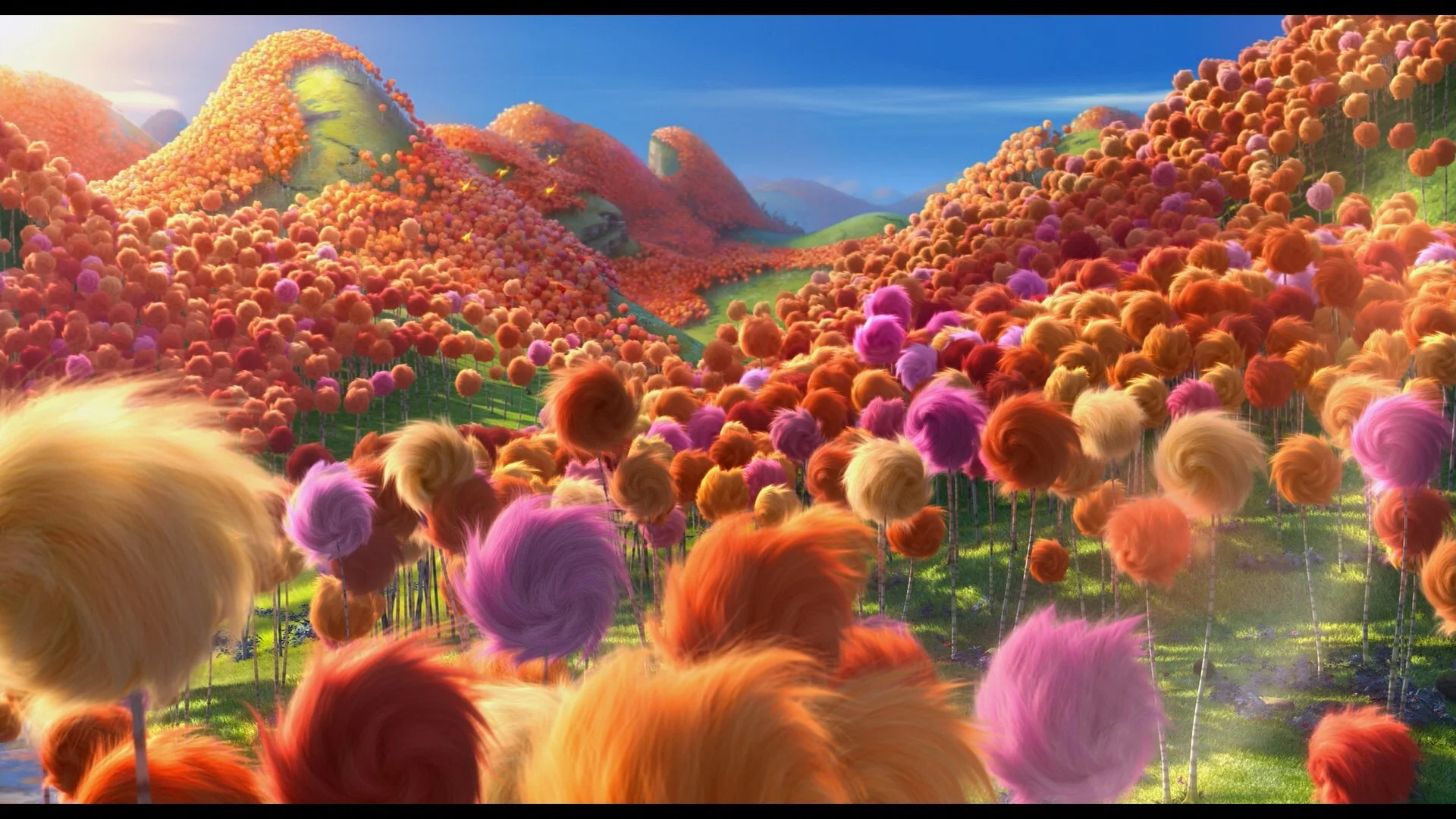
The Council of Trees
A Lorax Specialized Agency
Director: Sophia Shin — Committee Type: Specialized Agency
The last, hidden grove of Truffula Trees has been discovered, along with a young boy holding the key to restoration: the last Truffula Seed. The Once-ler has been in hiding for years, ashamed to show his face and hiding from his own actions. Aloysius O’Hare has monopolized it all, selling everything from the very air we breathe to the ground walked upon by countless creatures—all now gone. The world is at a standstill, and the consequences of any and all actions can be deadly.
Thus, this committee was formed. The topic of discussion? Trees.
In the Council of the Trees, delegates will take on roles from every corner of the Lorax’s world: from the Mayor of Thneedville to the Lorax himself, alongside the displaced Brown Bar-ba-loots, hard-working factory staff, and everyday citizens simply trying to breathe clean air while making a living.
No tree is too small, and no issue is too simple. With the world of Thneedville caught between environmental collapse and economic necessity, delegates will navigate the murky middle ground between what should be done and what can be done. Through negotiation, debate, and the occasional whisper from the trees themselves, delegates will explore this fragile balance and tackle the oldest question in the forest:
Is felling the tree worth the prize on its head?
This committee includes minor crisis elements (excluding backrooms) and is open to delegates of all levels of experience.
-
Since the first fluffy Truffula Tree fell, its legacy has grown into an empire. Its colourful and softer-than-silk tufts became the groundwork for Thneed production—an opportunity spotted from a mile away, yet one that brought prosperity and devastation alike. As the Once-ler’s empire crumbled, Aloysius O’Hare took it upon himself to fill the void, bottling the very air we breathe and turning the very act of survival into profit.
Now, the last Truffula groves hang in the balance, as delegates walk the fine line in making impossible choices. The public is currently unaware that the last grove has been discovered, as it is widely thought that the last Truffula Tree was cut down years ago. Should the committee risk public uproar, and allow the trees to be industrialized under stricter regulation to sustain Thneedville’s economy? Or should the city abandon its dependence on artificial goods, risking collapse, public scorn, and unemployment for the sake of ecological recovery?
The issue stands as not only a question of who will benefit—but rather, who will face the consequences.
Who speaks for the trees when profits speak louder?
Can “green industry” truly exist, or is it just another shade of greed?
Are the workers and consumers complicit, or victims of the system?
How will displaced species thrive in this new environment?
-
The years have passed, and the Truffula Trees are now almost known as a household myth—the pot of gold at the end of the rainbow that children spend countless hours searching. The land lies barren, the air remains stale, and the Brown Bar-ba-loots and fellow creatures have not returned since last winter. While Ted Wiggins’ rediscovery of the final Truffula seed and last hidden groves have provided a much-needed spark of hope, with this hope comes uncertainty—and disagreement.
The question is posed: should the world focus on restoration, or on reinvention?
Some argue that nature must return and claim its place, no matter the economic cost or discomfort. The Truffula grove must be protected, they state. Others claim that the “age of the trees” has passed, and humanity must adapt through the innovation of synthetic ecosystems and artificial replacements for the sought-after Truffula trees. Let them die, they cry, there’s no more to be found there. And then there are those caught in between, who wonder if humanity even deserves a second chance at stewardship over what we’ve torn down.
Even good intentions can have unforeseen circumstances. Delegates must ask themselves: can Thneedville regrow its trees without uprooting the current way of life? Or will attempts to rebuild simply cause history to repeat itself?
Is true restoration possible in a world built on artificiality?
How should responsibility be distributed between the Once-ler, O’Hare Industries, and the people of Thneedville?
Should replantation efforts be natural and organic, or engineered and controlled?
If the environment recovers, who ensures that history doesn’t repeat itself?
What is owed to displaced species such as the Brown Bar-ba-loots and the Humming-Fish?