
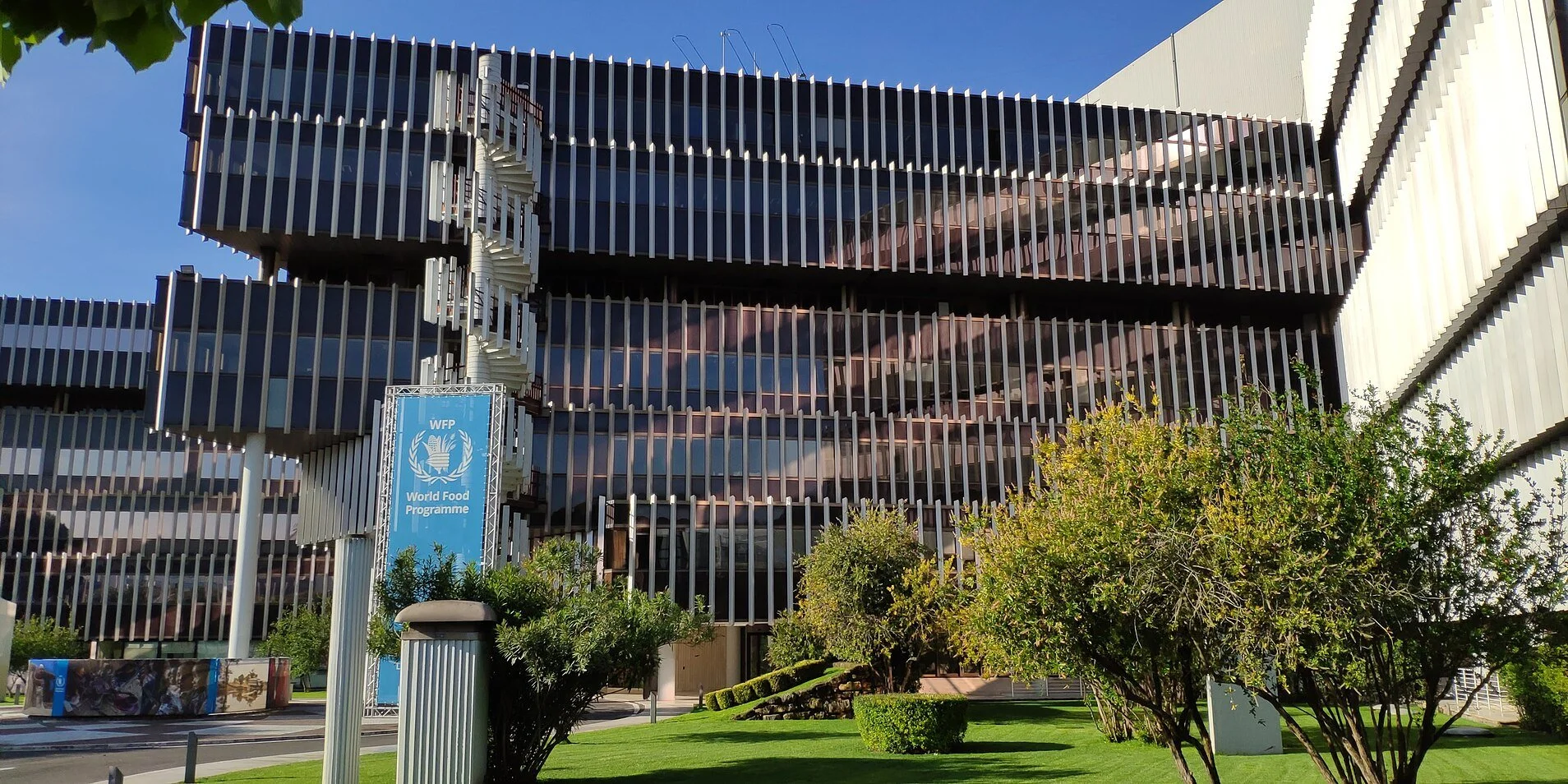
WFP
World Food Programme
Director: Raya Mardani — Committee Type: General Assembly
This session of the World Food Programme focuses on the frontline of global hunger, where conflict, climate stress, and political barriers stand between millions of people and their right to survive. Delegates will examine how food becomes both a weapon and a lifeline, how aid is blocked or diverted, and how solutions must adapt to the realities on the ground. The committee will also move beyond emergency response to confront the future of food assistance, weighing scientific innovation against ethics, sovereignty, and long-term stability. Through negotiation and collaboration, delegates will design frameworks that protect vulnerable populations, strengthen humanitarian access, and build a food system that remains resilient in crisis. Lives depend on these choices, and the world expects bold ideas.
-
South Sudan remains one of the most dangerous places in the world for humanitarian workers, and food insecurity continues to rise as conflict disrupts supply routes and blocks aid from reaching those most at risk. Years of civil war, targeted attacks on convoys, and the manipulation of food supplies by armed groups have pushed communities to the edge. Delegates will address how the WFP can secure reliable delivery pathways, prevent the diversion of aid, and protect humanitarian staff who face daily threats. The challenge is to build systems that work in an active conflict zone, where international norms are tested and civilians bear the cost. Delegates must find workable approaches that safeguard neutrality, strengthen monitoring, and keep food moving to the people who need it most.
-
As climate pressures intensify and global hunger rises, genetically modified crops have become a point of sharp debate within international food assistance. Supporters argue that GMOs can increase yield, resist pests, and survive harsh conditions. Critics warn of health concerns, environmental impacts, and the influence of powerful agricultural corporations on vulnerable states. Past disputes, including Zambia’s refusal of GMO maize during a famine, reveal how scientific solutions can collide with national sovereignty and public trust. Delegates will examine whether and how the WFP should integrate GMOs into its food aid programs, what safeguards are needed for countries with limited regulatory capacity, and how to balance urgent nutritional needs with long-term consequences. The debate calls for careful judgment, clear standards, and a vision for food security that serves all communities.
-
Argentina
Australia
Austria
Bangladesh
Belgium
Bolivia (Plurinational State of)
Brazil
Burkina Faso
Cameroon
Canada
Chile
China
Colombia
Costa Rica
Cuba
Cyprus
Democratic Republic of the Congo
Denmark
Dominican Republic
Egypt
El Salvador
Ethiopia
Finland
Ghana
Germany
Greece
Guatemala
Honduras
Iceland
India
Indonesia
Iran (Islamic Republic of)
Ireland
Israel
Italy
Jamaica
Jordan
Kenya
Kuwait
Luxembourg
Madagascar
Malawi
Malaysia
Mali
Mexico
Monaco
Morocco
Mozambique
Netherlands
New Zealand
Niger
Nigeria
Norway
Pakistan
Panama
Paraguay
Peru
Philippines
Poland
Portugal
Qatar
Republic of Korea
Romania
Rwanda
Russian Federation
Saudi Arabia
Senegal
Singapore
South Africa
South Korea
South Sudan
Spain
Sudan
Sweden
Switzerland
Tanzania (United Republic of)
Thailand
Tunisia
Türkiye
Uganda
Ukraine
United Arab Emirates
United Kingdom
United States of America
Uruguay
Venezuela (Bolivarian Republic of)
Vietnam
Zambia
Zimbabwe